
Edge Ai
6 articles
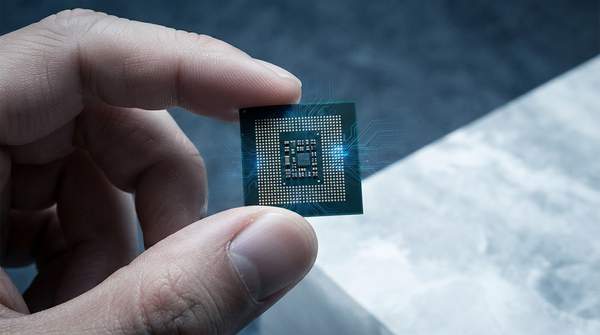
Why a 20x Power Gap Decides Your Edge AI Chip: NPU vs. GPU, and How to Choose
Choosing the right edge AI hardware hinges on a critical 20x performance-per-watt gap between specialized NPUs and general-purpose GPUs. This article compares NPU, GPU, and FPGA architectures across power, latency, and cost to help you match hardware to your application's binding constraints.
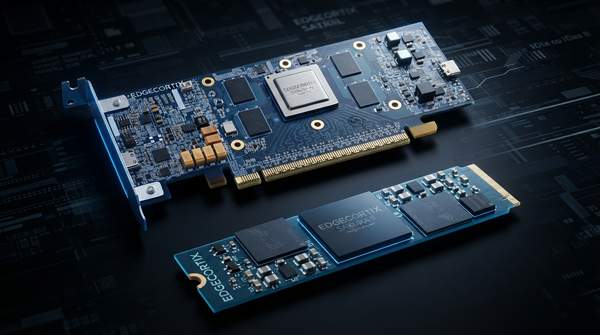
Designing Low-Power Edge AI Accelerators: The Three-Way Trade-off Between Architecture, Heat, and Form Factor
Designing low-power edge AI accelerators requires balancing chip architecture, thermal management, and physical form factor, as these domains are tightly coupled. Understanding these trade-offs is crucial for optimizing performance, battery life, and component lifespan in edge devices.

MCU, SoC with NPU, or FPGA: How to Choose Your Edge AI Hardware Category
Choosing the right edge AI hardware for consumer electronics involves evaluating power budget, inference workload, team expertise, and product lifecycle. This article provides a decision framework to compare MCUs, SoCs with NPUs, and FPGAs based on these key project constraints.
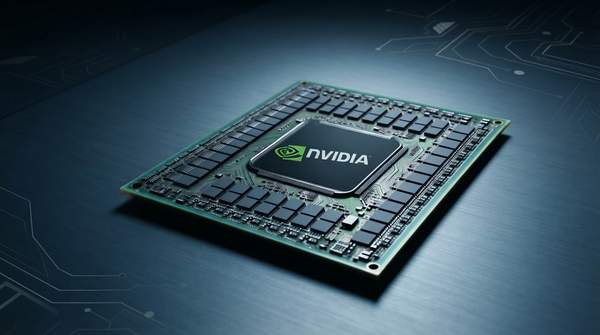
NPU or GPU for Edge AI? How the Architecture Decides the Power, Latency and Cost Trade-offs
Choosing between an NPU and GPU for edge AI hinges on architectural design, impacting power, latency, and cost. NPUs excel in power-efficient, dedicated AI inference, whereas GPUs provide broader workload versatility at a higher energy expense.
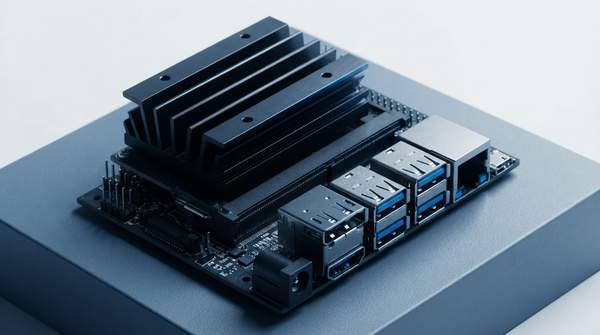
Quantization, Pruning, or Distillation: Choosing the Right Optimization for Your Edge AI Model
Edge AI models require optimization techniques like quantization, pruning, and knowledge distillation to balance performance and resource constraints. This article guides engineers in selecting the most effective strategy based on project priorities such as memory, speed, or accuracy.

Choosing Between On-Device and Split Inference: A Practical Guide to Edge AI Optimization
This guide explores the critical decision between fully on-device and split inference for Edge AI deployment, detailing model optimization techniques and architectural patterns. It provides a framework to help practitioners make informed choices based on latency, hardware constraints, and privacy needs.