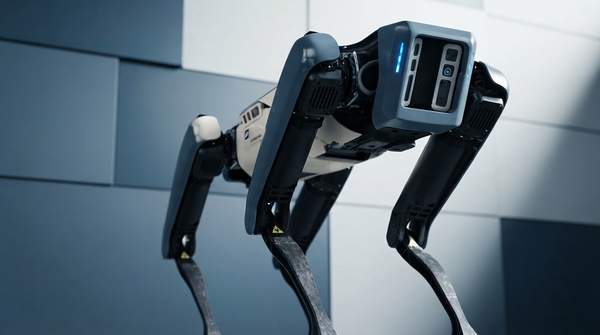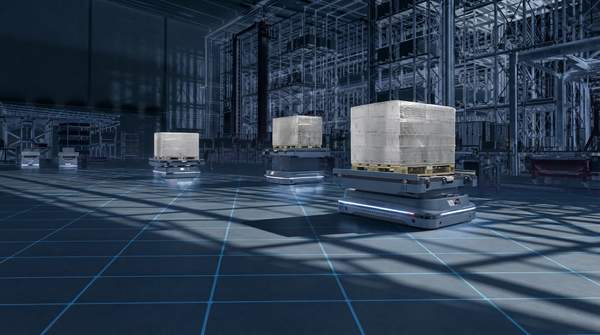
Choosing a ground robot's locomotion comes down to one central trade-off: no single system delivers both high speed-and-energy efficiency and high mobility in unstructured terrain. Wheeled platforms win on flat, structured surfaces; tracked platforms trade some of that efficiency for traction and stability on soft or moderately rough ground; legged platforms excel among obstacles and uneven terrain but pay for it in speed, energy, and complexity. Below, we break down each option and then put all of them on one diagnostic framework you can use for an initial selection. This is a qualitative comparison: the sources here do not provide quantitative benchmarks such as payload limits, top speeds, or energy consumption per kilometer.
Introduction to Robot Locomotion Systems
Ground mobile robots move on wheels, tracks, legs, or combinations of these. Each choice encodes an engineering assumption about the environment the robot will face. A 2012 comparative analysis of locomotion systems published in the journal Mechanical Sciences organized these categories precisely to expose their differences: three main categories (wheeled, tracked, legged) plus four hybrid categories that pair them in different combinations. The comparison matters because terrain, not preference, drives the decision. As a review of legged robot control techniques notes, much of the real world consists of terrain that is "unstructured, harsh, unstable, deformable, and unsafe" — exactly the conditions where the locomotion choice is most consequential, and where each system type behaves very differently.
Wheeled Robot Systems: Speed and Efficiency
If your operating environment is flat and predictable — warehouse floors, paved yards, factory aisles — wheels are the default for good reason. The comparative analysis positions wheeled systems at the favorable end of the speed-and-energy-efficiency axis. Rolling contact with a smooth, hard surface is mechanically cheap: little energy is wasted deforming the ground or lifting the robot's own mass, as it is in walking. A motor selection guide from CubeMars frames the contrast directly: wheeled robots achieve efficient locomotion on such surfaces, whereas legged designs rely on multi-degree-of-freedom actuation and precise gait control to gain terrain adaptability. The limitation is equally clear.
Wheeled mobility drops sharply on rough, uneven, or obstacle-rich terrain, where a wheel cannot step over what blocks it. This applies to typical wheeled designs; specialized wheel configurations can extend terrain capability somewhat, but they do not change the fundamental picture.