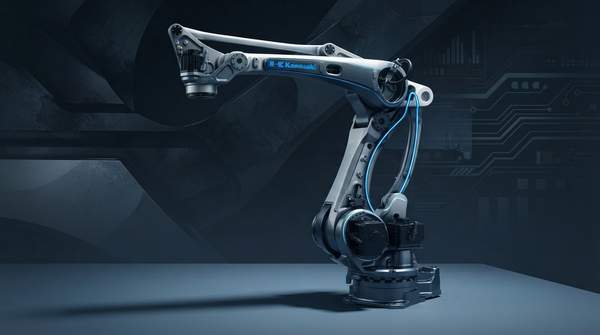
Adaptability to Existing Infrastructure
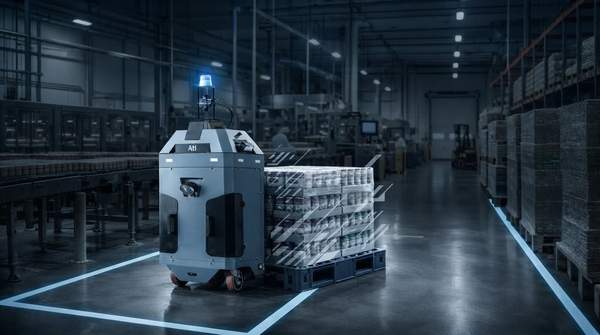
A significant enabler for robot adoption in beverage warehouses is the design of flexible robotic systems that can adapt to existing environments and infrastructure. Rather than requiring complete facility overhauls or the replacement of every worker, operators are strategically adding robots where they can yield the greatest impact, such as in palletizing, picking, inventory tracking, and managing peak-season capacity Global Sources Sourcing Digest. This adaptability addresses the barrier of older buildings and existing leases, which previously made large-scale automation difficult to justify due to upfront costs and required physical changes Corvus Robotics sales director.
Enhancing Efficiency and Ergonomics
The integration of outbound robots brings substantial benefits in terms of operational efficiency and worker well-being. By automating heavy material handling, these systems directly reduce the risk of forklift accidents and repetitive strain injuries among staff, thereby enhancing workplace safety ATOMIX guide. This focus on improved ergonomics and efficiency is a core reason for the accelerating usage of robotic technology BevIndustry article. Flexible systems also improve overall throughput and workforce utilization, allowing human workers to focus on more complex or value-added tasks.