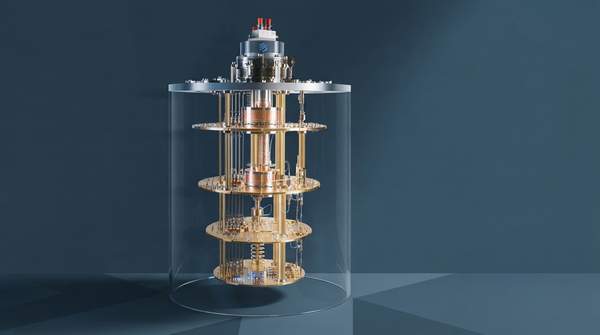
The Novo Nordisk Foundation and EIFO have committed EUR 80 million to establish QuNorth and acquire a quantum system called 'Magne', expected to be operational by late 2026, according to Global Legal Insights. This substantial investment marks a concrete step in Denmark's ambition to cultivate a robust quantum computing ecosystem, with tangible infrastructure developments anticipated within the next few years.
However, Denmark is making massive, long-term investments in foundational quantum computing research, but the immediate commercial impact and widespread application of this technology are still years away. While 'Magne' offers a relatively near-term capability, the broader strategic commitment extends much further into the future.
Denmark is positioning itself as a long-term leader in quantum computing, potentially attracting further international talent and investment, even as practical applications remain on the horizon. This strategy involves a complex, multi-horizon investment approach, balancing immediate research access with audacious, long-term foundational goals.
1. Major Foundational Investments and Programs
1. QuNorth
Best for: Foundational Quantum System Development and Research Access
QuNorth was established through an EUR 80 million joint investment from the Novo Nordisk Foundation (NNF) and EIFO, tasked with acquiring and operating the 'Magne' quantum system. This system is expected to be operational by late 2026 or early 2027, providing researchers with advanced quantum capabilities.
Strengths: Direct establishment and significant funding from primary funders; near-term operational timeline for 'Magne'. | Limitations: As a new entity, its long-term impact on commercialization remains to be seen. | Investment: EUR 80 million
2. Novo Nordisk Foundation Quantum Computing Programme (NQCP)
Best for: Long-term, General-Purpose Quantum Computer Development
The Novo Nordisk Foundation Quantum Computing Programme (NQCP) provides DKK 1.5 billion over 12 years, until 2034, with the ambitious goal of building a full-scale, general-purpose quantum computer, as reported by Global Legal Insights. The Novo Nordisk Foundation Quantum Computing Programme (NQCP) represents Denmark's deep, long-term bet on foundational research, prioritizing a comprehensive machine over incremental, specialized systems.
Strengths: Massive, sustained funding; audacious goal to achieve global leadership in foundational quantum computing. | Limitations: Extremely long development horizon (until 2034); immediate commercial applications are not the primary focus. | Investment: DKK 1.5 billion
3. Kvantify
Best for: Commercial Quantum Software and Algorithm Development
Kvantify raised EUR 10 million in a seed round in 2024, according to Global Legal Insights. Kvantify's EUR 10 million seed round in 2024 demonstrates private sector confidence in Denmark's emerging commercial quantum potential, focusing on practical applications.
Strengths: Significant private funding; agile startup focusing on specific commercial applications. | Limitations: Early-stage company; relies on the broader quantum infrastructure for hardware. | Funding: EUR 10 million
4. Molecular Quantum Solutions (MQS)
Best for: Quantum Computational Tools for Life Sciences
Molecular Quantum Solutions (MQS) provides computational tools for research and development in the pharmaceutical, biotechnology, and chemical industries, as noted by Quantum Denmark. This company targets a specific, high-value sector where quantum chemistry can offer significant advantages.
Strengths: Specialized focus in a critical industry; leverages Denmark's strong life sciences sector. | Limitations: Niche application area; specific funding details are not publicly available. | Focus: Computational tools
5. DIASENSE
Best for: Quantum Sensing Instrument Development
DIASENSE develops quantum-sensing instruments designed for detecting electrical currents in semiconductor chips, as reported by Quantum Denmark. This firm operates in the adjacent, but equally critical, field of quantum sensing, addressing specific industrial needs.
Strengths: Addresses a precise need in semiconductor manufacturing; contributes to the broader quantum technology ecosystem. | Limitations: Highly specialized niche; less direct involvement in general-purpose quantum computing. | Focus: Quantum sensing instruments
Emerging Commercial Ventures and Private Funding
| Company | Primary Focus | Key Funding/Investment | Operational Status/Timeline |
|---|---|---|---|
| QuNorth | Quantum System Acquisition and Operation | EUR 80 million joint investment (NNF & EIFO) | 'Magne' operational late 2026/early 2027 |
| Kvantify | Commercial Quantum Software Development | EUR 10 million seed round (2024) | Early-stage, active development |
| Molecular Quantum Solutions (MQS) | Computational Tools for Life Sciences | Specific funding not detailed | Active, R&D in pharma/biotech |
| DIASENSE | Quantum Sensing Instruments | Specific funding not detailed | Active, semiconductor chip applications |
Kvantify's EUR 10 million seed round in 2024 demonstrates a growing private sector interest and belief in Denmark's commercial quantum potential. Kvantify's EUR 10 million seed round in 2024 signals that while foundational research receives significant public backing, agile startups are also securing capital for more immediate application development, indicating a maturing, albeit nascent, commercial ecosystem.
Public Grants Supporting Targeted Research
The 'AccessQKD' project received a DKK 25.9 million grant from Innovation Fund Denmark (IFD), according to Global Legal Insights. The 'AccessQKD' project's DKK 25.9 million grant from Innovation Fund Denmark (IFD) highlights how government funding is directed towards specialized quantum research and development projects. Such targeted grants effectively complement the larger foundational investments, addressing particular technological gaps or application areas.
International Presence and Future Outlook
What is the future outlook for quantum computing in Denmark?
Denmark's future outlook for quantum computing appears distinctly long-term, driven by the Novo Nordisk Foundation Quantum Computing Programme's DKK 1.5 billion commitment to build a full-scale, general-purpose quantum computer by 2034. This ambitious target suggests a strategic focus on foundational leadership, potentially positioning Denmark at the forefront of quantum hardware development over the next decade.
How is Denmark attracting international quantum technology firms?
Denmark is increasingly appealing to international quantum technology firms, evidenced by companies like QunaSys expanding their presence in Europe, as noted by Quantum Denmark. The country's substantial public-private investments and growing research infrastructure create a fertile ground for collaboration and market entry, drawing in global players seeking to capitalize on a supportive ecosystem. This influx of international interest contributes to a more diverse and competitive quantum landscape within Denmark.